



A Home Remodel Budget You Can Build On
Upgrading your home is an exciting time. Maybe the kids are old enough now, or maybe that investment property needs some love, or maybe you’re thinking of stretching beyond a home remodel budget because ground-up new construction might be in the cards.
Regardless of your project goals, there’s a smart way to plan so that you can control costs, get the look you want, and step into a space that feels like it should have always been there. But the unsaid inverse is also true: miss a few key steps and your project can take longer, cost more, and not even look like what you hoped for at the start.
At Asher Architects And Engineers, we work with project budgets from the five-figure range all the way to the nine-figure industrial complex, so we know a thing or two about budgeting and what that means for the scope and timeline of a diverse set of projects.
In this article, we’ll focus mainly on residential remodels and construction and we’ll share some insights from the field that will help you prepare to love the work that will redefine your space for many years to come.
Start With a Feasibility Study, Not a Pinterest Board
Before a single dollar gets allocated to your home remodel budget, someone on the execution side needs to answer one question: can this actually happen the way you’re picturing it? That’s what a feasibility study does, and skipping it is where a lot of remodels go wrong before they even start.
Without one, homeowners fall in love with an idea, price out materials and finishes, and get well into planning before discovering the wall they wanted to remove is load-bearing, or the addition they wanted pushes past a setback line, or the plumbing runs somewhere that makes their dream layout a much bigger job than expected. At that point, the home renovation budget built around the original idea is already outdated, and everything has to be reworked.
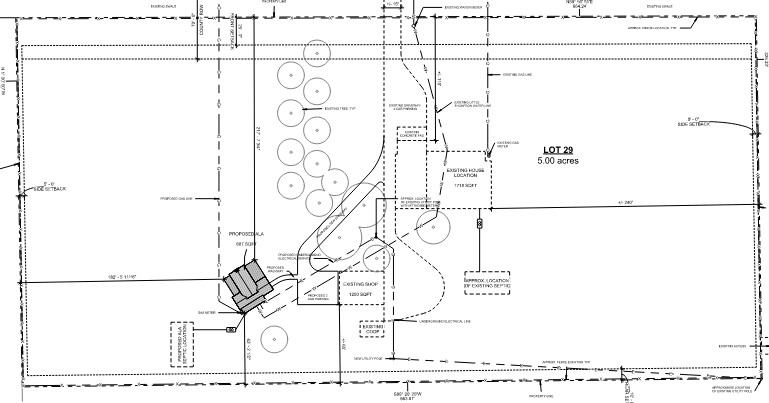
A proper feasibility study looks at your home’s structure, your lot, and your local code before design decisions get locked in. It tells you what’s possible, what it’s likely to cost, and what timeline is realistic. That’s the foundation every accurate home remodel budget should be built on, not the other way around.
Where the Money Actually Comes From
Once scope is defined and your home remodel budget is understood, the next question is how to fund it. Most homeowners draw from a handful of common options, and each comes with its own tradeoffs worth understanding before you commit.
- A HELOC, or home equity line of credit, lets you borrow against the equity you’ve already built, and it’s popular because the funds can be drawn as needed throughout a project rather than all at once.
- A cash-out refinance replaces your existing mortgage with a new, larger one, giving you a lump sum for your renovation while potentially resetting your loan terms. Private equity or private investor funding tends to show up more on larger residential or investment property projects, where outside capital partners with an owner on the return.
- Hard money loans are shorter-term, asset-based loans that move faster than traditional financing, often used when timing matters more than rate. This is often a great solution if you’ve got credit challenges and don’t like the normal PowerPoint presentations on your financial life that conventional lenders require.
- A personal loan might be a smart way to go if you’ve got your checking and savings at a local credit union. Bank managers can be flexible, even if credit or total available funds are lower than you’d want. Trust carries the weight here, not just a credit score and how many zeros you’ve got.
- Credit cards are a compelling option for quick and easy funding, especially if you have cards that offer some kind of cash-back incentive, travel rewards, or some other perk. Renovations, remodels, and construction budgets can add up, so this is a nice way to give yourself a little kickback. The downside here is that credit cards can carry anywhere from about 8% to 30% interest or more so have a secondary source ready to pay off high-interest balances.
None of these are automatically the right choice. The right one depends on your exact type of residential project, equity position, your timeline, and what you’re comfortable carrying as debt. Send us an email if you’d like a little more insight about which strategy is right for you because a home renovation budget built on the wrong financing structure can strain a household in ways you don’t need.
Deciding on a Style You’ll Still Love in Ten Years
With scope and funding in place, this is the part most people actually look forward to: deciding what the space should look like and feel like. Making sure all the details (large and small) make their way into your build – but fair warning: This is also where a home remodel budget can quietly expand if it isn’t grounded in something more lasting than a trend.
Instead of considering all the details and features you want and overbaking the pie, plan your build in reverse… don’t think small details (yet), think BIG PICTURE.
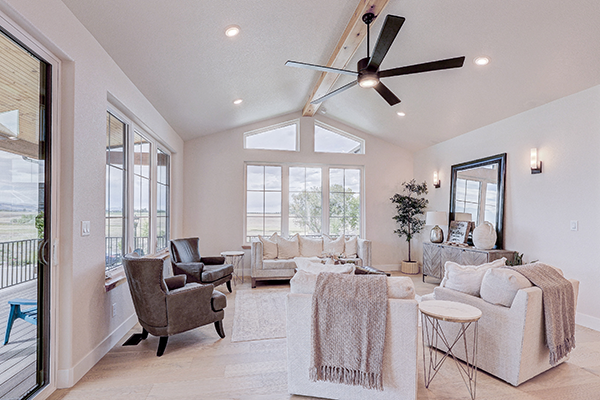
The best approach starts with how you actually live, not just what looks good in a photo. Do you entertain often, or is this a quiet retreat? Do you need durability for kids and pets, or are you designing around a more curated, adult space? Style should follow function, and when it does, the design choices you make tend to hold up long after the trend that inspired them has faded.
This is also where working with a team that understands both design and the practical side of construction pays off. A finish that photographs beautifully but fights against your climate, your maintenance habits, or your budget isn’t actually the right choice, no matter how good it looks in the mood board.
Pulling the Trigger: Why Timing Matters More Than People Think
Once your feasibility study is complete, your funding is lined up, and your design direction feels right, the final step is simply starting. This is where a lot of well-planned projects quietly stall out, not because the plan was wrong, but because momentum got lost waiting for the perfect moment that never quite arrives.
Material costs and labor availability shift over time, and a home remodel budget built today can look different in six months if permitting drags on or a crew’s schedule falls through waiting on a decision that could have been made earlier. Working with a team that keeps design, engineering, and project management connected from day one is what keeps a project moving instead of stalling between phases.
We’ve built our process around exactly that. When architecture and engineering sit under one roof, there’s no gap between a design decision and knowing whether it’s buildable, fundable, and ready for a crew. That’s what turns a well-planned home renovation budget into a finished space, instead of a folder of ideas that never quite got started.
Your home is worth doing right, and doing right starts with a plan built on real numbers, not guesses. If you’re ready to turn your remodel from an idea into a plan, send us an email, and we’ll get you started out on the right path to a home remodel budget you can count on and designs you’ll love!

